PRISMS Alignment Calibration Session

A 60–75 minute facilitated session to identify where misalignment is blocking coordinated action — and what to address first.
What is the PRISMS Alignment Session?
A 60–75 minute facilitated alignment session to help teams clarify where misalignment is blocking execution — and what to address first.


Who is this for?
Nonprofit executive directors or senior leaders navigating complexity, transition, or growth
Program, strategy, or operations leads experiencing misalignment between goals and execution
Small leadership teams who need clarity on where to focus before making changes
What happens in the session
A live, facilitated conversation using the PRISMS framework to structure attention
Real-time identification of where alignment is strong and where it is breaking down
Focus on decision-relevant issues rather than abstract or exhaustive analysis
Guided sensemaking to surface constraints affecting clarity, execution, learning, or sustainability
Translation of discussion into a short set of shared priorities


What you’ll leave with
A clear snapshot of alignment and misalignment across key organizational functions
Shared understanding of the most decision-constraining issue(s) to address first
3–4 concrete action commitments grounded in current realities


Current Phase
This is a pilot-phase facilitation format I am refining through a small number of live sessions.


Interested in a pilot session?
Contact me below to explore fit and timing.
About the facilitator
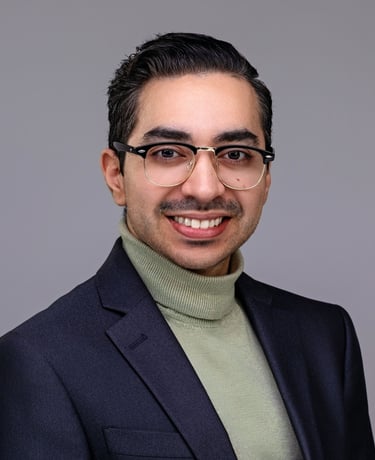
Jake Abarca is the founder of Prism Impact Solutions, where he works with nonprofits, foundations, universities, and public agencies to support clearer strategy, stronger program design, and more effective implementation. His work sits at the intersection of grant strategy, program development, evaluation, and organizational learning, helping teams clarify goals, align stakeholders, strengthen decision-making, and build systems that support funded work.
Trained in public health and anthropology, Jake brings a systems-informed and human-centered lens to facilitation and strategy. His approach is shaped by community-immersed research and practice, with attention to how power, culture, identity, and lived experience influence organizational behavior, program design, and outcomes.